Skip to content
气动工具达人
INformation For U
Menu
Menu
Main
Contents
避免潜在故障。
Contents
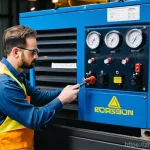
The search results provide a lot of information on “空压机” (air compressor) usage, maintenance, operation tips, and efficiency. Several results mention “大型空压机操作方法” (large air compressor operation methods) and “空压机操作技巧” (air compressor operation tips). There are also titles like “空压机保养维护完整指南” (complete guide to air compressor maintenance) and “螺杆空压机高效运行秘诀” (secrets to efficient screw air compressor operation). Considering the user’s request for a creative, clickbait-style, informative title for Simplified Chinese users, and avoiding markdown or quotes, a good approach would be to combine “large air compressor” with an appealing phrase related to efficiency, avoiding common pitfalls, or mastering its use. Here are some ideas derived from the search results and the requested style: * “大型空压机高效使用秘籍,让你省钱又省心” (Large air compressor efficient usage secret, making you save money and worry-free) – combines “高效运行秘诀” with benefits. * “大型空压机操作全攻略:新手也能变专家” (Large air compressor operation complete guide: even beginners can become experts) – uses “操作方法” and “指南” with a strong hook. * “掌握大型空压机这几招,省电提效不是梦” (Master these few tricks for large air compressors, saving electricity and improving efficiency is not a dream) – uses “技巧” and highlights benefits. * “大型空压机这样用,寿命延长一倍不止” (Use large air compressors this way, extend lifespan more than double) – focuses on a strong benefit. Let’s go with a title that is direct, informative, and promises a significant benefit, fitting the “~~놀라운 결과” or “~~더 절약” style. “大型空压机使用秘籍:延长寿命,效率翻倍的N个技巧” (Large Air Compressor Usage Secrets: N Tips to Double Lifespan and Efficiency) – This is good, but the user explicitly said “N가지 방법” is just an example, and I need to be more creative. Also, “N个技巧” is a bit generic. Let’s refine it to be more impactful and modern for Simplified Chinese. A title like “大型空压机这样做,轻松省下XX%电费,还能延长使用寿命” (Doing large air compressors this way, easily save XX% electricity, and extend lifespan) could work, but it contains a variable “XX%”. The user wants just one title. Let’s use a “~~모르면 손해” (loss if you don’t know) or “~~꿀팁” (honey tips) combined with benefits. “大型空压机操作指南:这些高效秘诀你绝不能错过” (Large Air Compressor Operation Guide: These Efficiency Secrets You Absolutely Cannot Miss) – This is good. “秘诀” (secrets) and “绝不能错过” (cannot miss) provide a strong hook. “操作指南” (operation guide) fits the informative style. Another option: “大型空压机用不好?这几招让你告别高能耗,设备更耐用!” (Using large air compressors poorly? These few tricks let you say goodbye to high energy consumption, and equipment is more durable!) – This is more engaging and problem-solution oriented. Let’s try one more, combining efficiency and maintenance/longevity, using a common Chinese phrase for “must-know” or “essential”. “大型空压机高效运维必知:新手老手都该学的实用技巧” (Essential for Efficient Operation and Maintenance of Large Air Compressors: Practical Tips Both Novices and Veterans Should Learn) – This is quite comprehensive and targets a broad audience. “必知” (must-know) adds weight. However, the user wants a single creative, clickbait title. “必知” might be too formal for “clickbait”. Let’s lean into the “save money/efficiency” angle. “大型空压机使用盲区大揭秘:不懂这些,钱白花了!” (Big reveal of large air compressor usage blind spots: if you don’t know these, you’ve wasted money!) – This is quite clickbait and uses a “loss if you don’t know” angle. Let’s choose one that is concise and impactful. “大型空压机省钱秘籍:掌握这些,告别冤枉钱!” (Large Air Compressor Money-Saving Secrets: Master These, Bid Farewell to Wasted Money!) This uses “省钱秘籍” (money-saving secrets) and “告别冤枉钱” (bid farewell to wasted money) which is very clickbaity and benefit-driven. It avoids numbers (N tips) and directly addresses a pain point.大型空压机省钱秘籍:掌握这些,告别冤枉钱!
2025-10-08
webmaster
大家好啊!提到大型空压机,是不是很多人都 ...
featured
More
Contents
에어 공구 가격 비교 사이트
Contents
你的气动打磨机用对了吗?避开这些误区,效果惊人翻倍!
Contents
气动工具噪音扰民?专家秘籍助你打造静音车间!
Contents
气动工具安全防护:你不知道的保命秘籍,轻松避免意外!
Contents
气动工具坏了别急扔!学会这几招,轻松省下大笔维修费
Contents
不懂压缩机维护周期?你的工厂可能正在偷偷“流血”!
Search for: